The Drzycimski Clan in Mexico
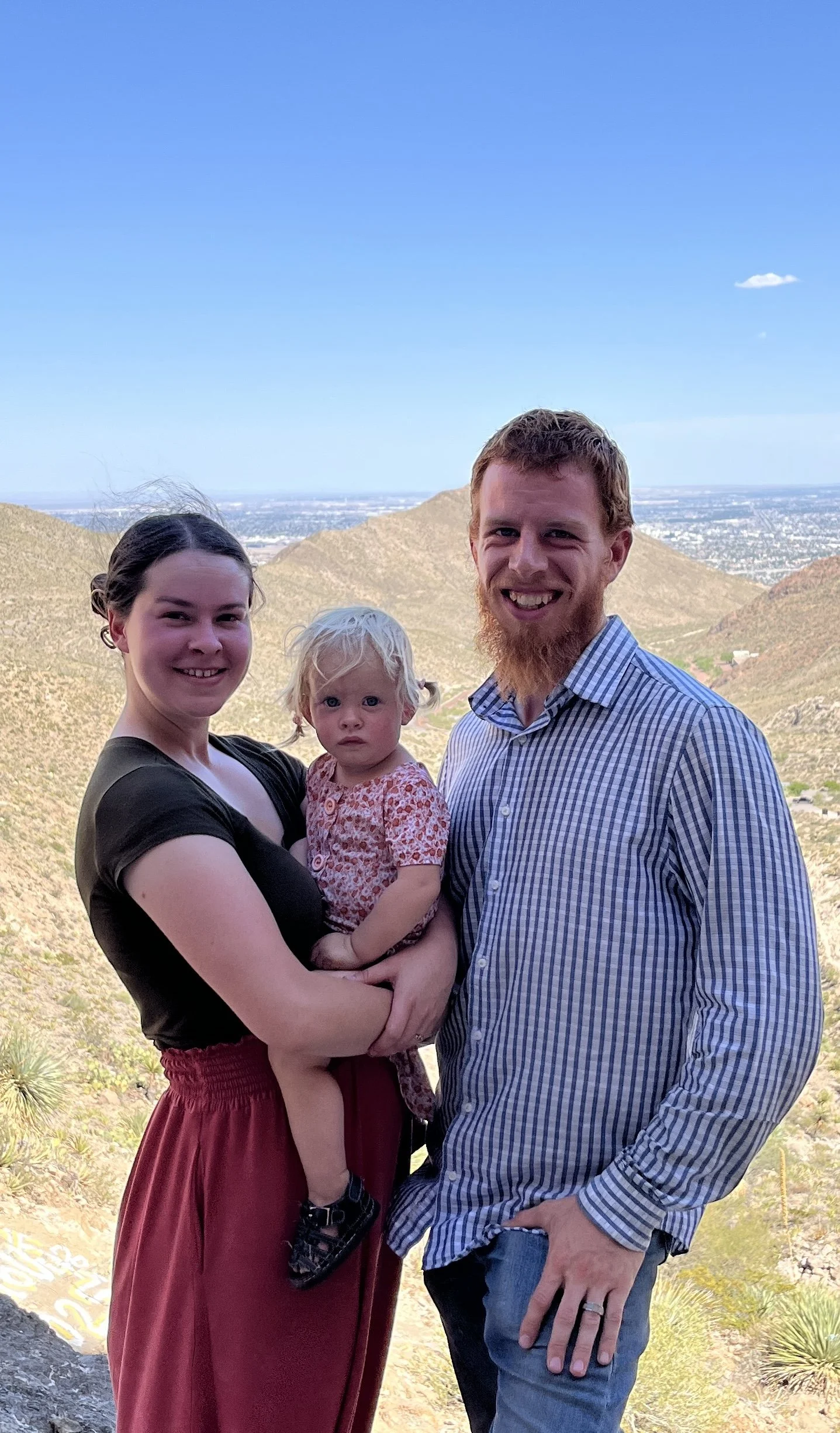
My wife and I both come from large families. She grew up in Mexico on the mission field, and I grew up in South Dakota. Hannah and I both spent our lives in solid Christian homes, and the Lord was pleased to unite us in marriage in April of 2024. Priscilla arrived in March of 2025.
Before mission work in Mexico, I was a commercial pilot for a FedEx subsidiary. I flew medium sized aircraft all over the eastern U.S. and also spent some time in the Caribbean. My favorite hobbies have been painting artwork (you can find it here) and helping men sing like real men.
In early 2025, Hannah and I responded to God’s call on our own household to continue the work to the Tarahumara Indians as second generation missionaries that her father began 20 years ago. The Tarahumara are a largely unreached people group who only possess snippets of the Bible in their own language. Since then, we have moved our small clan to Mexico and have begun learning the ropes of how our particular household will contribute to the ministry and expand upon it.
Hannah’s father Andrew has been preaching the Gospel of the kingdom to these people for the past 20 years, and we have recently been privileged to see our first church plant established. Hannah and I are specializing in translating Psalms to metered Spanish and Tarahumara, and we also spend a good deal of time working on the family farm, which is used to demonstrate good farming practices and build relationships with our community.
About Our Family
About the people we serve
Our calling is to the Tarahumara Indians who live in the Sierra Madre. This is an interesting people group—they are the area’s native population, and they were pushed into the mountains of Mexico by Apache violence in the U.S.. They are a quiet, demure, closed-off people—completely opposite of the open, stereotypical warm-climate cultured Mexican. They will run before they fight. But as a result, they have survived a tremendous amount of upheaval as the new world has become modernized. Therefore, they hold a rather un-touched status. They still maintain their own culture, their own ways, and their own homes. But they face incredible hardship.
Hardship is not a random occurrence. It is a way in which God repays a people for their actions. Tarahumara Indians have embraced pagan gods for thousands of years, and to this day—though some claim a flavor of syncretized catholicism—they worship these same gods. An animistic people, they are constantly in fear of the dark, the animals in the woods, the very rocks under their feet.
For 100 days out of the year, the average Tarahumara is either drunk, preparing a drink by which to get drunk, or recovering from drunkenness. Inebriation during their tesguinada drinking gatherings is a spiritual obligation. And in the drunken state, any committed sin is overlooked—according to their worldview. With this characteristic alone, it is no wonder the average Tarahumara is poverty stricken.
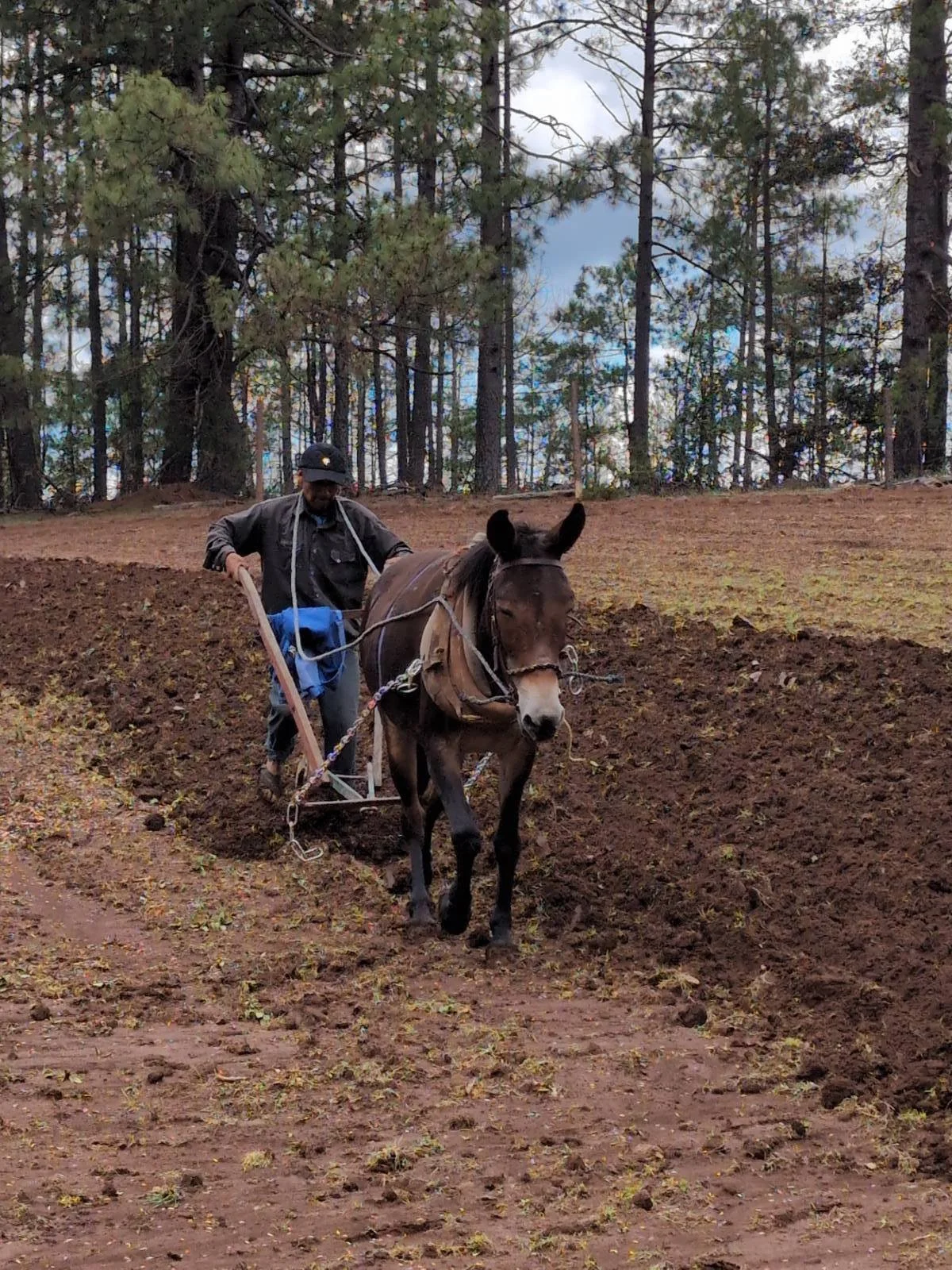
Over the past couple of generations, the Tarahumara have largely given up growing their own food in favor of growing cash crops of drugs for their local cartel group. This was incredibly profitable, but it’s a cutthroat business—and now, many years later, many Tarahumara are unable to work for a cartel while also having lost the ability to grow food.
Perhaps not surprisingly, these people are very open to the gospel message. Times are hard. Violence is everywhere, and hope is failing. We are honored to be part of giving them the hope of the gospel while also helping them get back on their feet through teaching them agriculture and providing economic opportunities.